Chock Bearing Sleeve

SteelTittusville, PA, US

TECH (+2 pts)
APPROVED

Basic Information

Overview

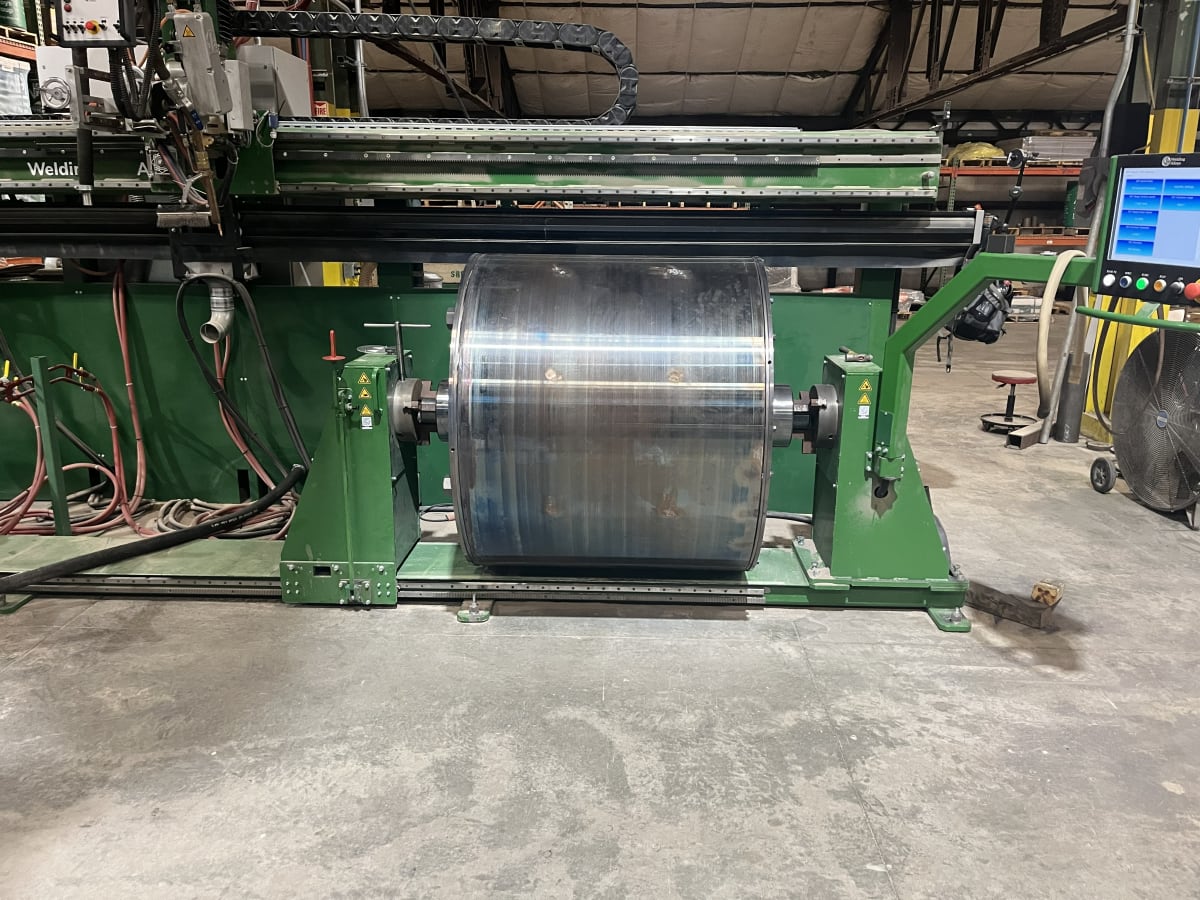
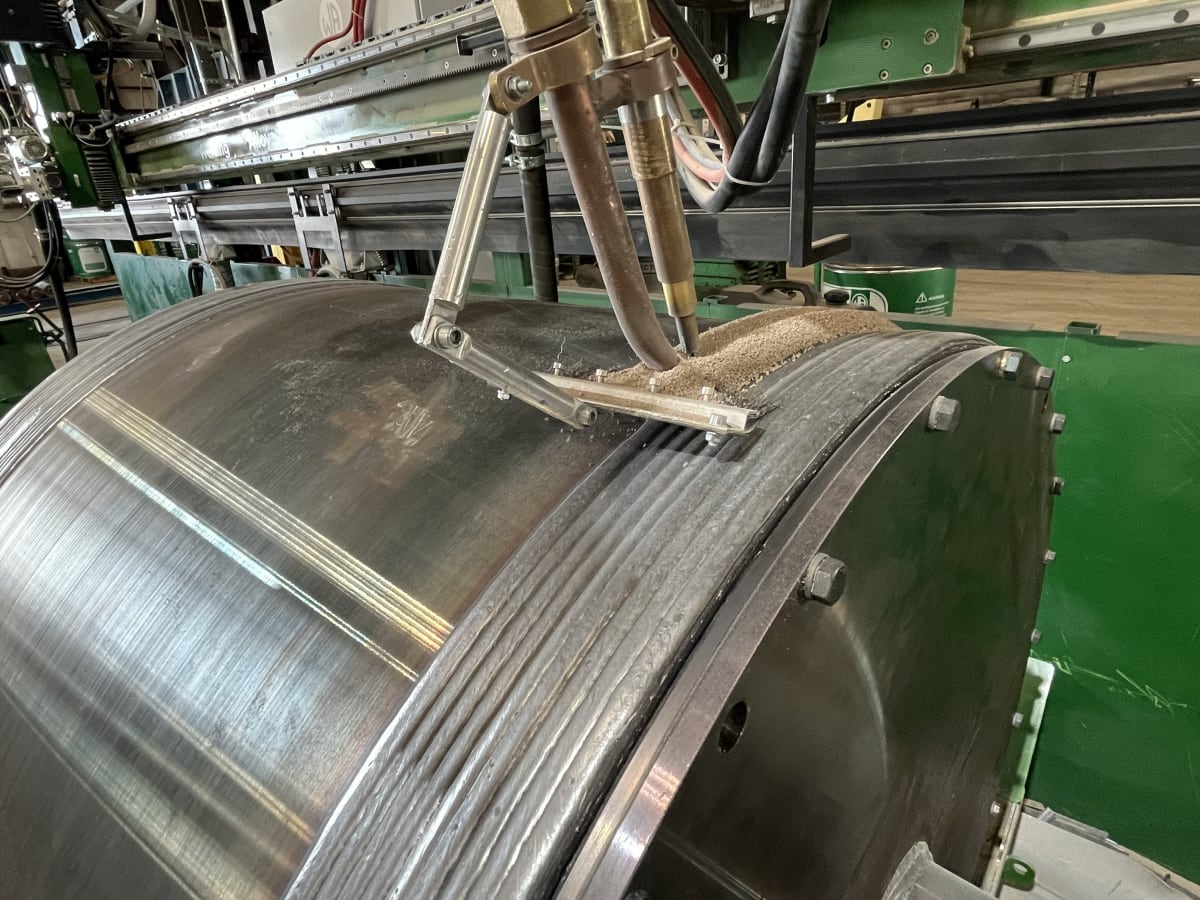
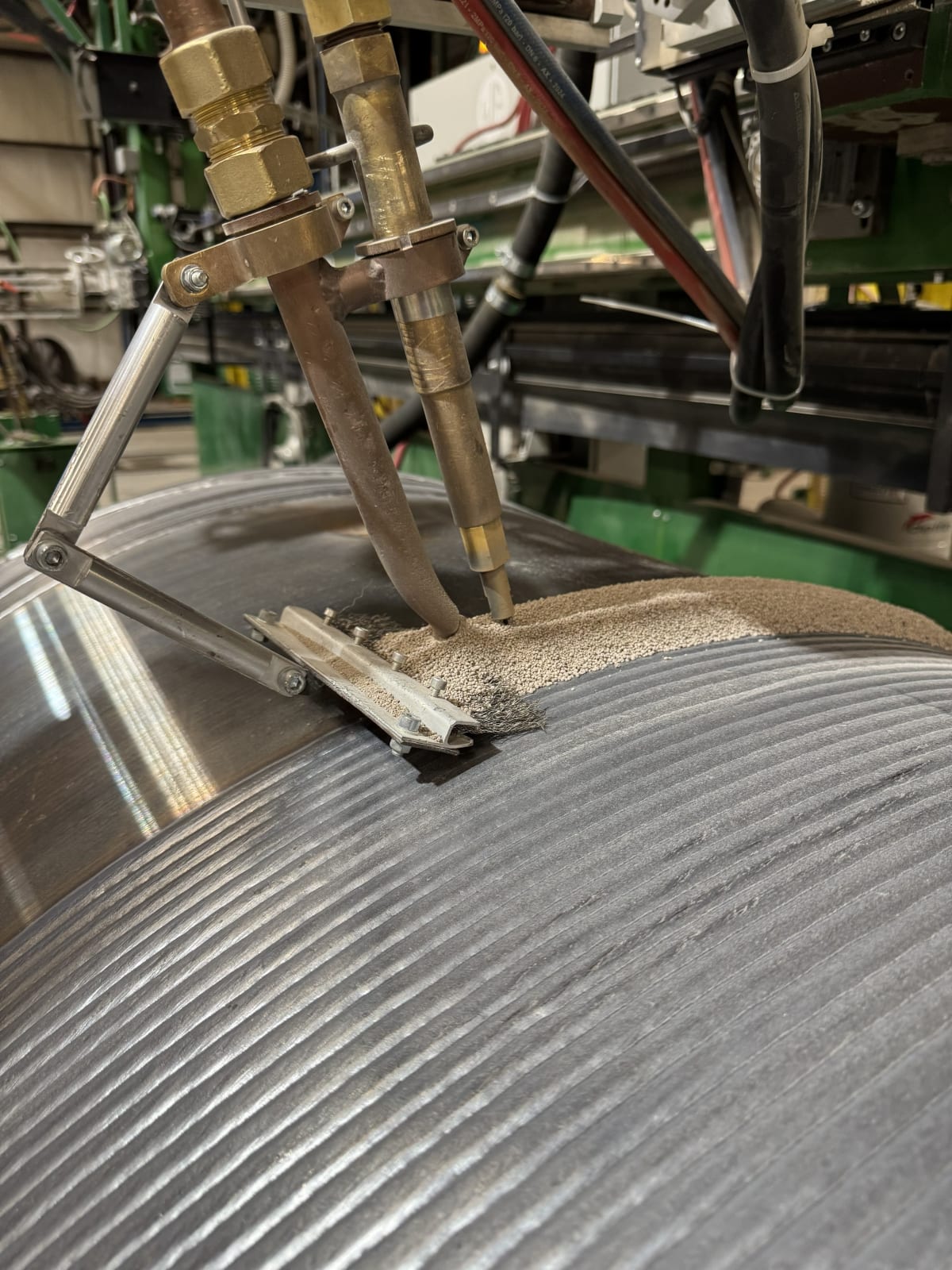
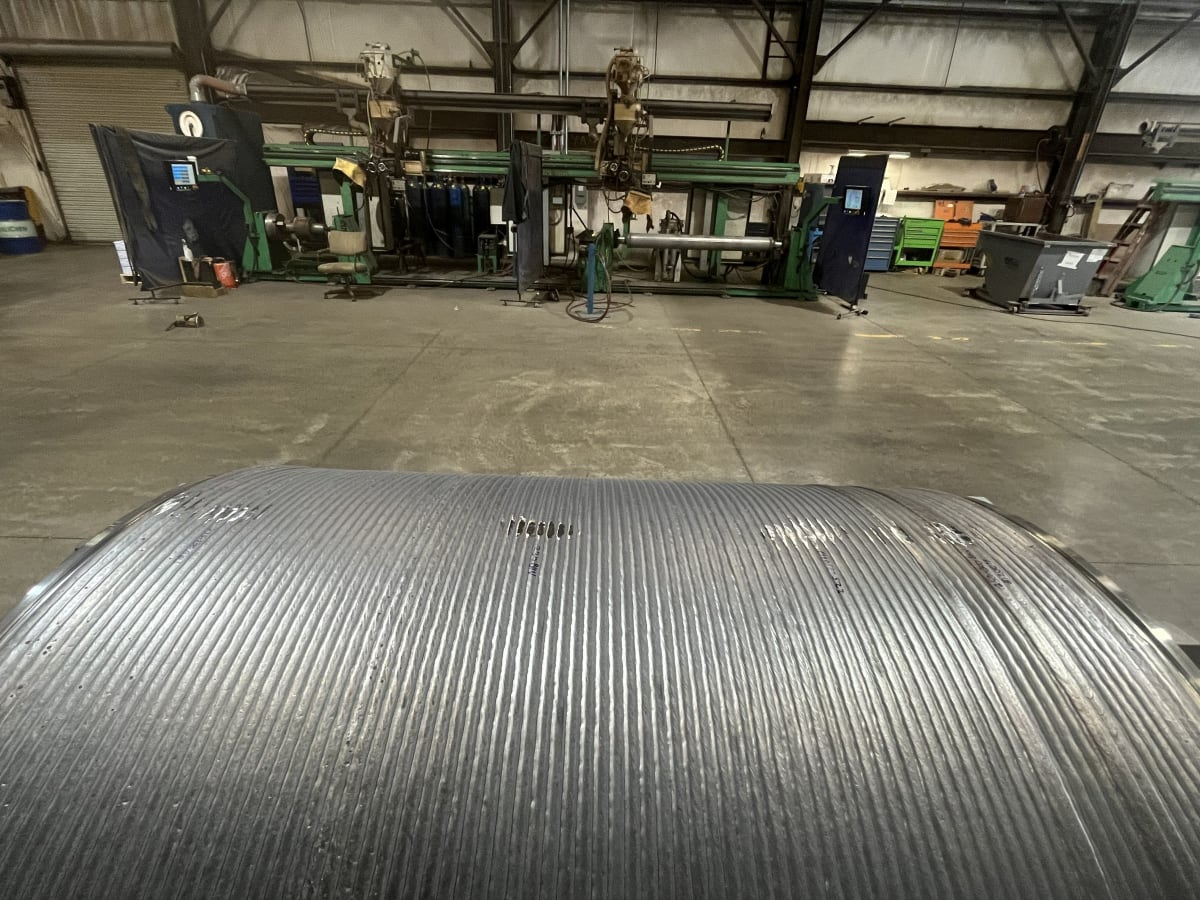
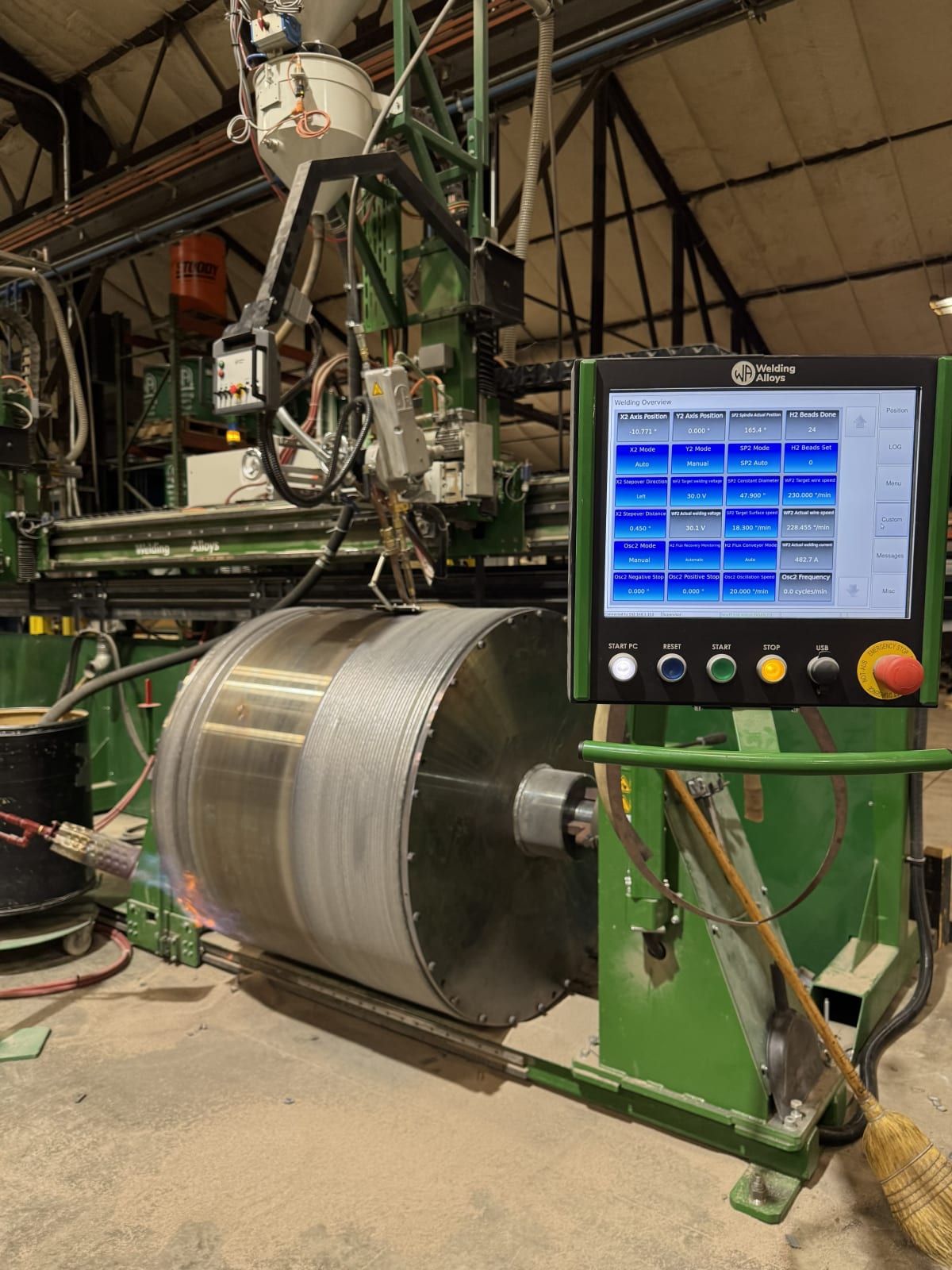
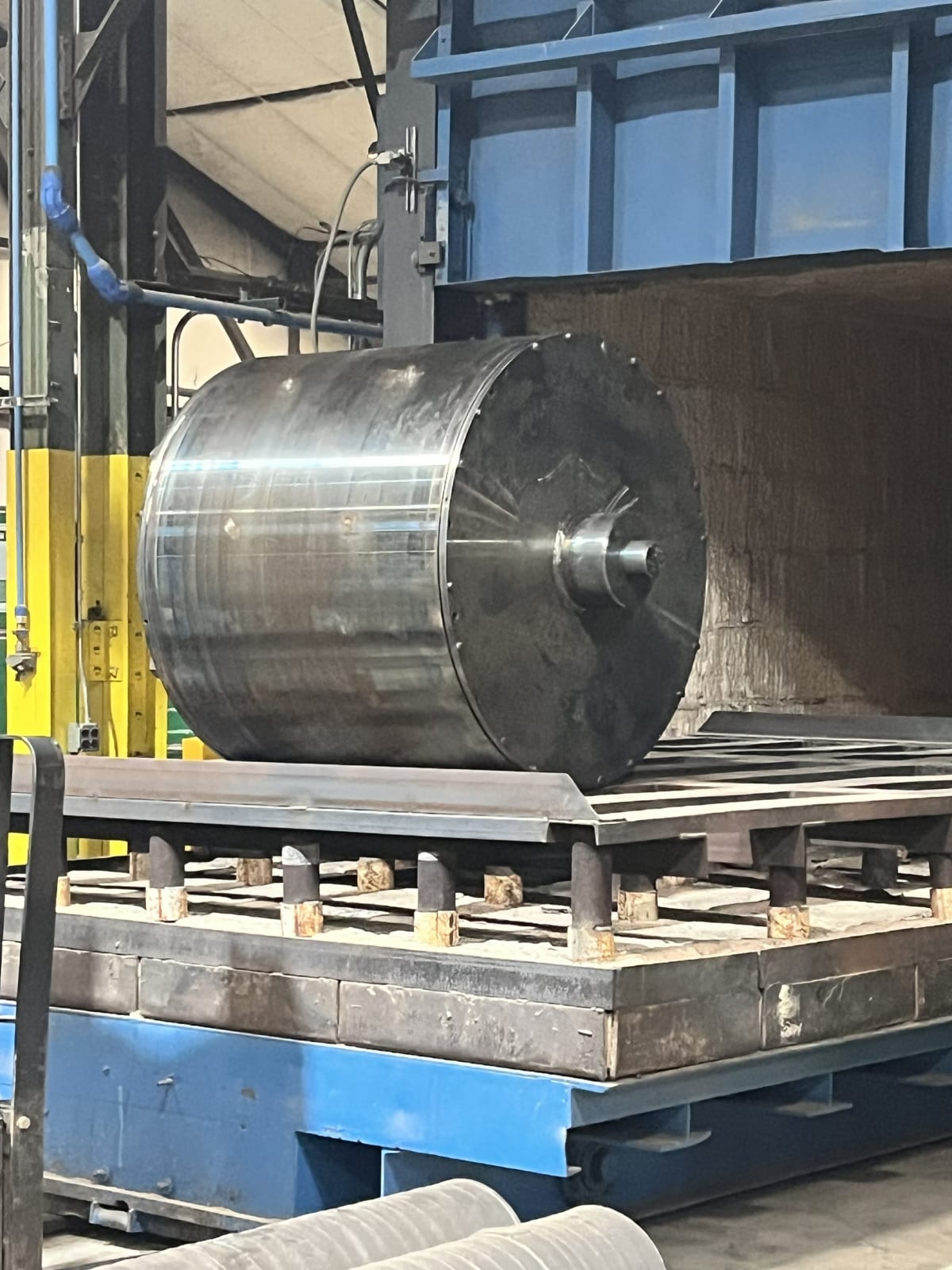
Back-up-roll and Work-roll chock bearing sleeve refurbishment for Hot and Cold Rolling plate mills. Tapered inside diameter of chock bearing sleeve fits over roll journal. Outside diameter of bearing sleeve rides against soft babbitt bearing fitted to the inside diameter of the chock bearing housing. By design the babbitt bearing will wear and needed to be serviced / and or replaced. For the most part the sleeves don't see much wear, but overtime some wear does occur and through servicing some of the sleeve material is ground and polished back true. Eventually the outside diameter dimension become too small and needs to be restored. Traditionally, because of the small amount of wear / material loss the outside diameter of the chock bearing sleeves would get restored via a metalizing thermal spray process, which was limited to 1.5mm in thickness via a mechanical type bond to the sleeve. Plate rolling mills are notoriously hard on rolling mill equipment, and their heavy loading of the rolling mills exceeds the mechanical strength limit of the thermal spray coating. In order to achieve thicker refurbishment depth and increased bond strength of the refurbishment coating, a weld overlay solution was developed by Cunova with the support of Welding Alloys. The weld refurbishment process incorporates the use of a modified WA R3000 welding lathe (Mod to accept and control diameters up to 1.25m), WA's BUF-S 1.2mm (for edges of sleeves), WA's BUF-S 2.4mm (for main body of sleeves), and WAF 325 flux.

Industry

Steel

Location

Tittusville, PA, US

Component/Workpiece

Chock Bearing Sleeve

Business Type

Consumable Sales

Job Type

Repair

OEM

Danieli, SMS, Etc...

Type of Wear

Abrasion

Tags

steel chock bearings
rolling mill applications

Base Metal

AISI 4140 & 4150

General Dimensions (mm)

Sleeve - 850-1150mm Diameter x 600-900mm long x 50-100mm tapered wall thickness. Estimated Weight = 1 - 4 metric tons Depends on sleeve size...
Problem Description

The challenge the customer was facing

Back-up-roll and Work-roll chock bearing sleeve refurbishment for Hot and Cold Rolling plate mills. Tapered inside diameter of chock bearing sleeve fits over roll journal. Outside diameter of bearing sleeve rides against soft babbitt bearing fitted to the inside diameter of the chock bearing housing. By design the babbitt bearing will wear and needed to be serviced / and or replaced. For the most part the sleeves don't see much wear, but overtime some wear does occur and through servicing some of the sleeve material is ground and polished back true. Eventually the outside diameter dimension become too small and needs to be restored. Traditionally, because of the small amount of wear / material loss the outside diameter of the chock bearing sleeves would get restored via a metalizing thermal spray process, which was limited to 1.5mm in thickness via a mechanical type bond to the sleeve. Plate rolling mills are notoriously hard on rolling mill equipment, and their heavy loading of the rolling mills exceeds the mechanical strength limit of the thermal spray coating. In order to achieve thicker refurbishment depth and increased bond strength of the refurbishment coating, a weld overlay solution was developed by Cunova with the support of Welding Alloys. The weld refurbishment process incorporates the use of a modified WA R3000 welding lathe (Mod to accept and control diameters up to 1.25m), WA's BUF-S 1.2mm (for edges of sleeves), WA's BUF-S 2.4mm (for main body of sleeves), and WAF 325 flux.

Previous Service Life

1y

Welding Alloys Solution

How WA solved the challenge

Back-up-roll and Work-roll chock bearing sleeve refurbishment for Hot and Cold Rolling plate mills. Tapered inside diameter of chock bearing sleeve fits over roll journal. Outside diameter of bearing sleeve rides against soft babbitt bearing fitted to the inside diameter of the chock bearing housing. By design the babbitt bearing will wear and needed to be serviced / and or replaced. For the most part the sleeves don't see much wear, but overtime some wear does occur and through servicing some of the sleeve material is ground and polished back true. Eventually the outside diameter dimension become too small and needs to be restored. Traditionally, because of the small amount of wear / material loss the outside diameter of the chock bearing sleeves would get restored via a metalizing thermal spray process, which was limited to 1.5mm in thickness via a mechanical type bond to the sleeve. Plate rolling mills are notoriously hard on rolling mill equipment, and their heavy loading of the rolling mills exceeds the mechanical strength limit of the thermal spray coating. In order to achieve thicker refurbishment depth and increased bond strength of the refurbishment coating, a weld overlay solution was developed by Cunova with the support of Welding Alloys. The weld refurbishment process incorporates the use of a modified WA R3000 welding lathe (Mod to accept and control diameters up to 1.25m), WA's BUF-S 1.2mm (for edges of sleeves), WA's BUF-S 2.4mm (for main body of sleeves), and WAF 325 flux.

Product Category

Consumables

WA Product Used

BUF-S

Diameter

2.4 mm

Technical Advantages

Prior to the development of welding the sleeves with WA's BUF-S, the sleeves would have to be scrapped and new ones made. A weld overlay refurbished sleeve shows same avg wear life as a new (un-welded sleeve), however a sleeve can be refurbished for around 1/2 the price of making a new sleeve. Lead time to turn-around refurbished sleeves vs making new is also significantly shorter.

Service Life

1y

Images (6)

Photos and visuals for this case study

Case study image 1Case study image 2Case study image 3Case study image 4Case study image 5Case study image 6

Financial Impact

Solution Revenue

750

Welding Procedure Specification (WPS)

1 layer(s) documented

Submission Details

Contributor

Matt Reiff

matt.reiff@welding-alloys.com

Created

April 9, 2026

Submitted

April 9, 2026

Approved By

Bastien Gerard

April 9, 2026